Satinwood
Satinwood is a name given to a small group of rare hardwoods prized for their rich yellow to golden colour, high natural lustre, and striking depth of figure. The name comes from the wood’s visual similarity to satin fabric, as the surface appears smooth, luminous, and subtly reflective even without heavy finishing.
Traditionally, true satinwood is defined by several key characteristics. It displays a warm yellow or gold tone, often deepening with age, combined with exceptional natural sheen and chatoyance. The grain is usually interlocked or figured, producing a ribboned appearance on quartersawn surfaces that gives the wood a three dimensional quality. Satinwood is also fine textured, lacking the large pores seen in many tropical hardwoods, and is relatively dense and hard compared to common cabinet woods.
Because of these qualities, satinwood was historically favoured for fine furniture, veneers, and decorative inlay, particularly during the Georgian and Regency periods. Its intense visual depth makes it especially striking as veneer, though this same quality makes repairs extremely difficult, even when matching material is available.
West Indian Satinwood
The original and earliest satinwood of commerce was West Indian Satinwood, scientifically known as Zanthoxylum flavum. Native to the Caribbean, this species was heavily exploited during the eighteenth and nineteenth centuries. Its beauty and rarity led to intense overharvesting, and as a result it has been commercially unavailable for well over a century. Today it survives mainly in historic furniture and museum pieces and is effectively unobtainable on the open market.
Ceylon or East Indian Satinwood
With the exhaustion of West Indian Satinwood, a replacement was found in Ceylon or East Indian Satinwood, Chloroxylon swietenia. Native to India and Sri Lanka, this species became the accepted standard for satinwood and has now been used for over a hundred years. It shares the same golden colour, fine texture, and high lustre as the original species, while being even denser and harder.
Although still rare and valuable, East Indian Satinwood remains the satinwood most people recognise today as genuine. It has played a significant role in historic cabinetmaking and continues to be highly prized when encountered in antique furniture and veneers.
Showing 1–18 of 72 resultsSorted by latest
-


Coromandel Tantalus by George Betjemann
-
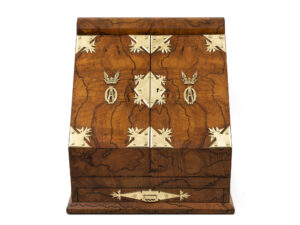

Victorian Olivewood Stationery Cabinet by Betjemann and Leuchars
-


Victorian Coromandel Decanter Set by Leuchars
-


Georgian Penwork Card Box
-


Georgian Satinwood Tea Caddy with Conch Shell Inlay
-


Coromandel & Sterling Silver Writing Box Betjemann
-


Coromandel Games Compendium for King Edward VII by Betjemann
-


Antique Amboyna Jewellery Box with Tiered Interior
-


George III Satinwood Tea Caddy
-


Coromandel Games Compendium by George Betjemann & Chapman
-


Tantalus by George Betjemann Veneered in Coromandel and Satinwood
-


Victorian Entertainment Humidor Compendium
-
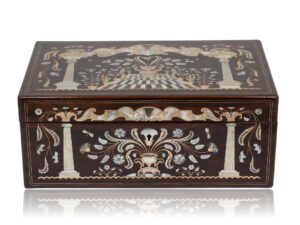

Inlaid Writing Box Hausburg
-
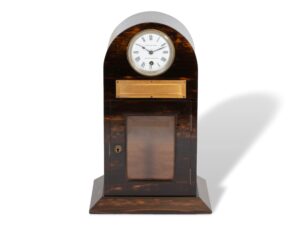

Coromandel Letter Box Clock Chapman and Leuchars
-


Burr Yew Shell Inlaid Tea Caddy
-
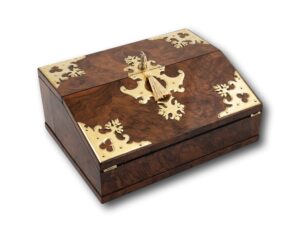
English Burr Walnut Writing Box Betjemann
-

Georgian Pair of Satinwood Tea Caddies
-

Georgian Paper Scroll Satinwood Sewing Box