Kingwood
Kingwood, sometimes known as violetwood, is one of the most highly prized decorative timbers used in fine furniture and cabinet work. Native to Brazil, it is recognised by its rich violet brown to purplish heartwood, marked with fine dark striping and occasional swirling figure. The colour can deepen with age, producing a dramatic and refined surface well suited to luxury objects.
The wood is yielded by a relatively small tree, which limits the size of usable material and explains why kingwood was traditionally reserved for veneers, inlay and small decorative components rather than large structural work. Its exceptional density and hardness allow it to be polished to a very high finish, giving it a glass like surface that was especially valued by eighteenth century cabinet makers.
Kingwood was regarded as one of the most expensive woods in general furniture use during the seventeenth and eighteenth centuries and was favoured by French royal workshops, where it became closely associated with fine marquetry and ormolu mounted furniture. Its use is closely linked with the development of high style European furniture, particularly during the reigns of Louis XIV and Louis XV.
Due to its natural oils and density, kingwood can be challenging to work, especially with hand tools, but it turns exceptionally well and takes a superb polish. Today it is most commonly encountered on antique furniture, refined inlays and small turned objects, where its colour, rarity and historical prestige remain highly valued.
Showing all 12 resultsSorted by latest
-


Red Tortoiseshell Tea Caddy
-
 RESERVED
Georgian Burr Yew Tea Caddy
-
 SOLD

Antique Satinwood Tea Caddy
-
 SOLD
Victorian Writing Box Hausburg (Att.)
-
 SOLD

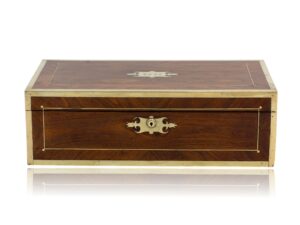
Georgian Kingwood Writing Box David Edwards
-
 SOLD

Antique Kingwood Jewellery Box Lund
-
 SOLD

Kingwood Writing Box
-
 SOLD

Antique Tea Caddy
-
 SOLD

Regency Kingwood Writing Box by David Edwards
-
 SOLD
Kingwood Sewing Box by Edwards
-
 SOLD
DAVID EDWARDS Regency Kingwood Writing Box
-
 SOLD

Kingwood Writing Box