Thomas Lund
Thomas Lund was one of London’s most respected early nineteenth century makers of writing boxes, dressing cases and high quality personal accessories. His business, later carried on by his son William, became known for producing some of the finest portable writing desks, dressing cases and luxury goods of the period.
Thomas Lund established his business around 1804, inheriting the trade from his father, who had been described in 1806 as the first ivory turner in York. Lund moved to 56 and 57 Cornhill, London in 1814, where he traded as a cutler and manufacturer of pens and quills, as well as an importer of filtering stones for domestic and maritime use. His early advertisements also highlight letter copying machines, portable writing desks, dressing cases and “Morocco articles of every description.”
By the 1810s and 1820s Lund had expanded into the production of portable writing boxes and dressing cases. These dressing cases often included small tools and corkscrews, and examples from around 1815 are recorded. Although his copying machines and cutlery formed part of the business, his reputation gradually centred on the quality of his boxes and personal goods. A number of tortoiseshell tea caddies are known stamped with his maker’s mark, confirming his presence among the more refined makers working on Cornhill at the time.
Thomas Lund’s son, William Lund, was apprenticed to the cutler William Anderson of 24 Fleet Street. In 1835 he took over those premises under his own name, beginning the Fleet Street branch of the family business. When Thomas died in 1845, William inherited Cornhill and consolidated the two operations. Over the following years he expanded the Fleet Street address to include numbers 23 and 25, building it into one of the best known names in Victorian portable desks, cutting tools and high quality boxes.
William Lund died in 1872 and the business passed to his son Charles, continuing under the name William Lund & Son. The firm remained well regarded for its writing boxes, dressing cases, chess pieces, razors and tortoiseshell items typically inlaid with precise ivory details.
Lund’s surviving work is recognised today for its thoughtful design, fine materials and the strong reputation the family built over three generations.
Showing 1–18 of 29 resultsSorted by latest
-


Victorian Coromandel Necessaire Box by Lund
-
 RESERVED

Victorian Coromandel Vanity Box Lund
-
 SOLD

Tortoiseshell Jewellery Box by Lund
-
 SOLD
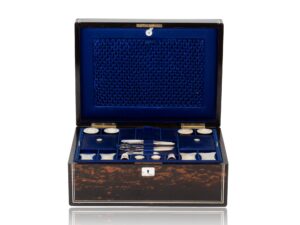
Antique Coromandel Sewing Box Lund
-
 SOLD
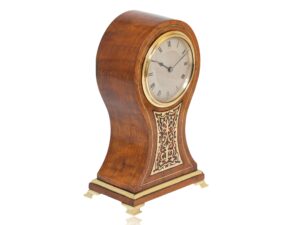
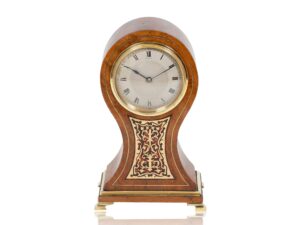
Balloon Clock with Boulle by Lund
-
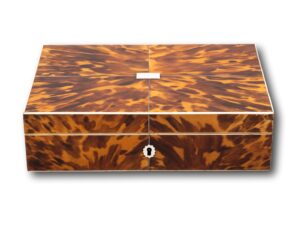 SOLD
Georgian Blonde Tortoiseshell Sewing Box Lund
-
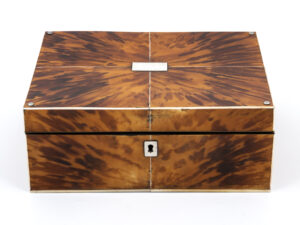 SOLD
Georgian Blonde Tortoiseshell Writing Box Lund
-
 SOLD
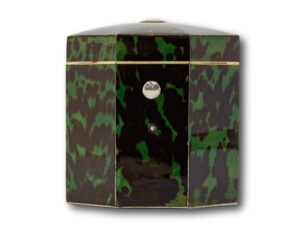
Green Tortoiseshell Tea Caddy Lund
-
 SOLD

Antique Kingwood Jewellery Box Lund
-
 SOLD
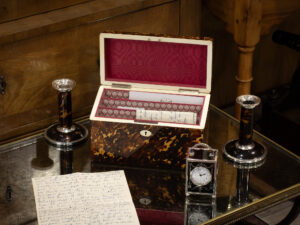
Tortoiseshell Stationery Box Lund
-
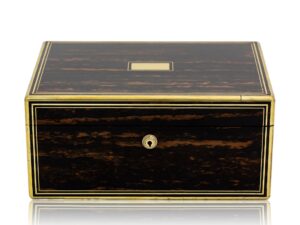 SOLD
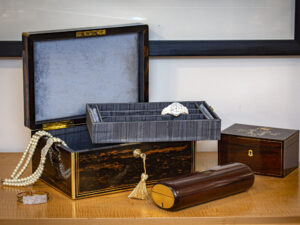
Antique Coromandel Jewellery Box Lund
-
 SOLD

Antique Calamander Jewellery Box Lund
-
 SOLD
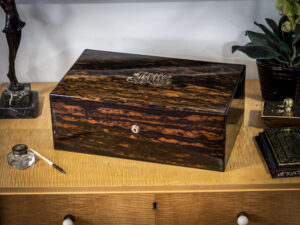
Antique Coromandel Writing Box with Leather Case
-
 SOLD
Coromandel Writing Box by Lund
-
 SOLD

Antique Sewing Box by Lund
-
 SOLD
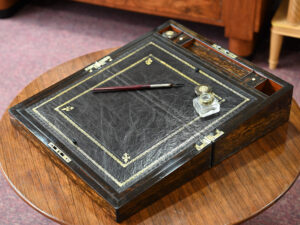
Coromandel Writing Box by Lund London
-
 SOLD
Lund Tortoiseshell Tea Caddy
-
 SOLD
Antique Coromandel Sewing Box by Lund